Is a surprise HOA special assessment normal when you own a condo in Austin?
Yes. A special assessment is a one-time charge your HOA or condo association levies on top of your regular dues, usually to cover a repair, a reserve shortfall, or a jump in insurance costs the budget didn’t plan for. It can run from a few hundred dollars to tens of thousands depending on the scope of the work, and in Austin’s growing condo and townhome market, buyers are running into this more often, especially in older buildings and in associations that kept dues artificially low for years.
Last updated November 2026
If you’re shopping for a condo or townhome in Austin, or you already own one and just opened an envelope with a number in it you weren’t expecting, you’re not alone. This is one of the questions we get asked the most, and it usually comes up at exactly the wrong time: right before closing, or right after a board meeting nobody mentioned.
Here’s what’s actually going on, and what to do about it.
What a special assessment actually is
Your HOA dues are supposed to cover two things: day-to-day operating costs (landscaping, insurance, management fees) and contributions to a reserve fund for big-ticket items down the road, like a roof, elevator, pool resurfacing, or exterior repaint.
A special assessment shows up when that math breaks down. The most common triggers we see in Austin:
Underfunded reserves. Many associations, especially smaller or older ones, keep dues low to stay attractive to buyers, which means the reserve fund doesn’t keep pace with what repairs actually cost.
Insurance premium spikes. Condo and HOA master insurance policies have gotten considerably more expensive across Texas in recent years, and some boards pass the increase straight to owners as an assessment rather than raising dues.
Deferred maintenance. A roof, foundation, or plumbing issue that got put off for a few budget cycles tends to cost more, not less, by the time it finally gets addressed.
A single major repair. Storm damage, a failed elevator, or a structural finding from an engineer’s report can trigger an assessment on its own.
For condos specifically, the Texas Uniform Condominium Act (Property Code Chapter 82) and the association’s own bylaws govern how a special assessment gets approved, including what vote threshold the board or ownership needs to levy one. For a planned community HOA, Chapter 204 and Chapter 209 of the Property Code set similar guardrails, including notice requirements before an assessment goes into effect. The exact vote threshold and notice period vary by association and governing documents, so this is worth confirming with the HOA’s management company or an attorney before you assume how a specific assessment was approved.
How to spot the risk before you buy
This is the part that actually matters if you’re house hunting right now. A special assessment that’s already been voted on, or one that’s clearly coming, is one of the most useful things you can find out before you write an offer, not after.
A few things to pull and read closely:
- The reserve study. This tells you how well-funded the association actually is against its future repair needs. A reserve that’s funded well below 100% of what the study recommends is a flag, not necessarily a dealbreaker, but something to factor into your offer.
- The HOA’s financials and budget. Look for a pattern of dues staying flat for years while costs around it clearly haven’t.
- Board meeting minutes. This is often where a looming assessment shows up months before it’s official. A board discussing a roof bid or an insurance renewal is worth paying attention to.
- The resale certificate. In Texas, sellers are required to provide a resale certificate before closing on a condo or HOA property, and it has to disclose any pending or approved special assessments. We walked through exactly what’s in that document and how to read it in our Texas HOA Resale Certificate guide, which is worth reading alongside this one if you’re under contract on a condo or townhome right now.
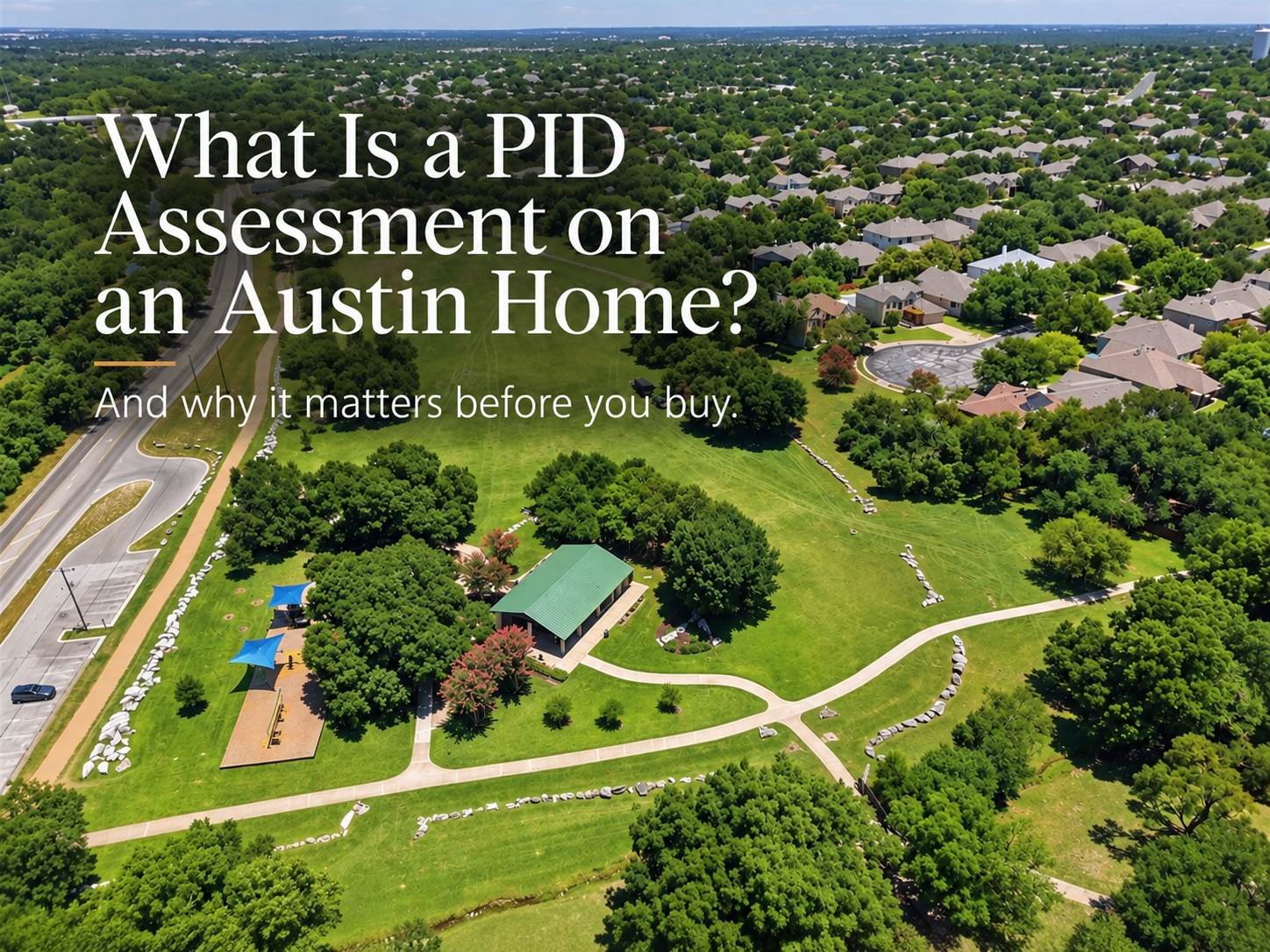
If you’re comparing a condo to a new-construction home in a development with a Public Improvement District, it’s worth knowing that a PID assessment works on a different legal structure than an HOA special assessment, even though both show up as an unexpected line item. We’ve broken down how PID assessments work for Austin buyers if that’s part of what you’re evaluating.
None of this means you should avoid condos or townhomes. It means you read the documents the way we read them with our clients, before the option period runs out, not after.
What to do if you’re an existing owner and you just got hit with one
If you already own and an assessment just landed, you’ve got more options than it feels like in the moment.
- Ask about a payment plan. Many associations will let owners spread a large assessment over several months or longer, rather than paying it in one lump sum. This isn’t automatic, you usually have to ask.
- Review how it was approved. Confirm the board followed its own bylaws and the applicable notice requirements under the Property Code. If something looks off procedurally, that’s a question for an attorney, not a guess.
- Understand your disclosure obligation if you’re selling. If you list your condo or townhome while a special assessment is pending or unpaid, Texas law requires that assessment to be disclosed to the buyer through the resale certificate process. Trying to sell around it isn’t an option, and it shouldn’t be. It’s better to plan your pricing and timing around it than to be surprised when it surfaces during someone else’s option period.
- Factor it into your next move. If the assessment signals a pattern (chronic underfunding, a building with deferred maintenance that keeps resurfacing), that’s useful information for deciding whether to stay, sell, or just budget differently going forward.
Every association and every assessment is a little different, and the right move depends on the specific numbers, the governing documents, and what you’re trying to do next, sell, stay, or buy into something else entirely. That’s exactly the kind of question we walk clients through before they make a decision either way.
Frequently Asked Questions
Can an HOA legally force me to pay a special assessment in Texas?
Generally, yes, once it’s approved according to the association’s bylaws and the applicable sections of the Texas Property Code, a special assessment becomes a binding obligation on all owners, similar to regular dues. If you believe the assessment wasn’t properly approved or noticed, that’s a question to bring to an attorney who can review the specific governing documents.
How can I find out about a special assessment before I buy a condo in Austin?
Request the HOA’s reserve study, recent financials, and board meeting minutes during your option period, and review the seller’s resale certificate closely, since Texas law requires any pending or approved special assessment to be disclosed there.
Is a special assessment a reason to walk away from a condo purchase?
Not automatically. It depends on the size of the assessment, what it’s funding, and whether it reflects a one-time issue or a pattern of underfunded reserves. A large or recurring assessment is worth factoring into your offer price or your decision, a modest, well-explained one often isn’t a dealbreaker.
Do I have to disclose a pending special assessment if I’m selling my condo?
Yes. In Texas, any pending or approved special assessment on a condo or HOA property has to be disclosed to a buyer through the resale certificate before closing.
What’s the difference between a special assessment and a PID assessment in Austin?
A special assessment comes from your HOA or condo association to cover association-level costs like repairs or reserve shortfalls. A PID (Public Improvement District) assessment is a separate, government-authorized charge tied to infrastructure in certain newer developments, and it works under different rules entirely.
If you’re weighing a condo or townhome purchase in Austin, or you’re trying to figure out what a special assessment notice actually means for you, we’d love to help you think it through. Reach out anytime at munozaustin.com/connect.