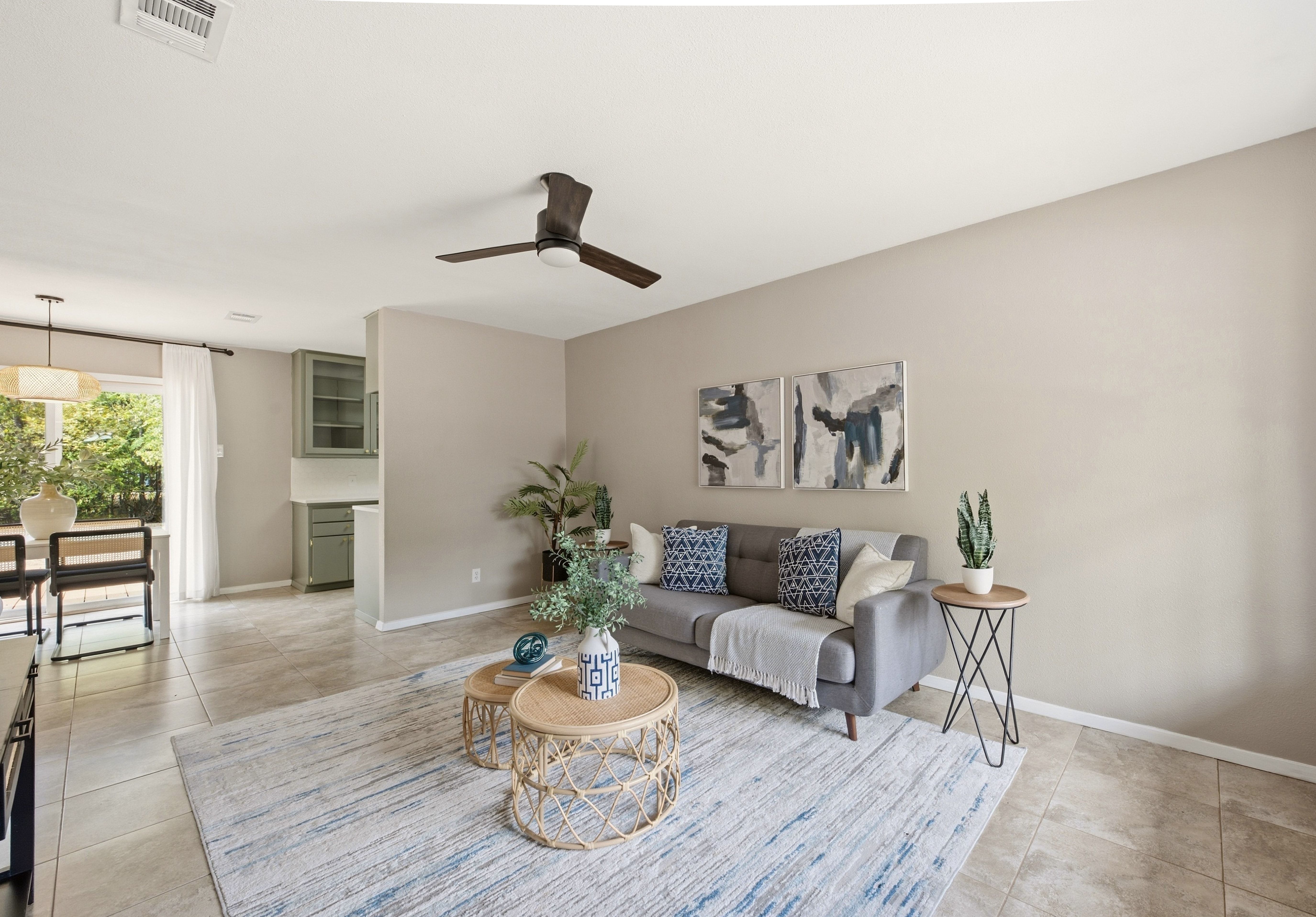
Are home prices falling in Austin, TX in 2026?
Home prices in the Austin metro cooled after the pandemic boom, but recent data suggests the market is beginning to stabilize. Buyers in 2026 may see slower price declines, more balanced inventory, and better negotiating opportunities than in previous years.
The big question Austin buyers are asking
If you’re planning to buy a home in the Austin, TX metro, one of the first questions you probably have is whether prices are still dropping—or if the market has already hit its bottom.
The answer is a bit nuanced.
Austin experienced one of the fastest home price increases in the country during the 2020–2022 housing boom. As mortgage rates rose and affordability tightened, prices cooled noticeably. But by 2026, the story is shifting from rapid declines toward gradual stabilization in many parts of the metro.
For buyers, that shift can actually be good news: you may have more time to make decisions without the intense bidding wars that defined earlier years.
What the latest housing data shows
1. Austin home prices are lower than peak levels
Market trackers show that Austin prices pulled back from their pandemic highs. Redfin data has reported a median sale price near $500,000 in recent market snapshots, reflecting softer pricing compared with peak 2022 levels.
You can monitor current Austin trends directly through Redfin’s Austin housing market report, which tracks median price, days on market, and the competitiveness of the local market.
Zillow’s home value index has also shown similar cooling patterns across the metro area. Zillow’s Austin home value tracker is another widely used resource for monitoring long-term price trends.
What this means for buyers: homes are often more negotiable today than they were just a few years ago.
2. Inventory has improved significantly
One major reason prices cooled in the Austin metro is the return of inventory. When more homes are available for sale, buyers have more options—and sellers face more competition.
Realtor.com housing reports have highlighted that some Sun Belt markets, including Austin, saw significant increases in active listings compared with the tight supply seen earlier in the decade. Realtor.com housing research frequently analyzes inventory trends across major U.S. metros.
More inventory tends to:
- Slow rapid price increases
- Increase negotiation opportunities
- Reduce bidding wars
- Allow buyers more time to evaluate homes
In other words, the Austin market has moved closer to a balanced market compared to the extreme seller’s market conditions seen earlier.
3. Mortgage rates still influence pricing
Mortgage rates remain one of the biggest drivers of housing demand. According to Freddie Mac’s Primary Mortgage Market Survey, the average 30-year fixed mortgage has been hovering around the 6% range in early 2026.
When rates rise:
- Buyer purchasing power declines
- Demand softens
- Price growth slows
When rates fall, the opposite happens—buyer demand increases, which can stabilize or push prices upward again.
Why Austin’s housing market is different from many cities
The Austin metro has unique economic drivers that influence home prices differently than slower-growth regions.
Several long-term trends continue supporting housing demand in Central Texas:
- Population growth from domestic migration
- Major tech employers expanding in the region
- Strong job creation across multiple sectors
- Relative affordability compared with coastal tech hubs
These fundamentals are why many analysts believe Austin is more likely to experience price normalization rather than long-term declines.
Neighborhood trends vary across the Austin metro
One of the most important things buyers should understand is that Austin is not one single housing market. Pricing trends vary dramatically depending on the neighborhood, suburb, and price range.
For example:
- Suburbs like Round Rock, Pflugerville, and Leander often attract first-time buyers looking for value.
- Areas closer to downtown Austin may hold value more consistently because of location demand.
- New construction communities in suburbs like Kyle, Buda, and Georgetown sometimes offer incentives when supply increases.
This means two homes only 20 minutes apart could have completely different pricing trends.
Signs Austin home prices may be stabilizing
Many analysts look for several signals when determining whether a housing market is stabilizing.
In the Austin metro, buyers are beginning to see:
- Smaller year-over-year price declines
- More consistent buyer activity
- Homes selling closer to list price
- Moderate days-on-market levels
None of these signals guarantee future appreciation, but they often indicate the market is transitioning away from a correction phase.
What this means if you’re buying in 2026
If you’re planning to buy in the Austin, TX metro, a stabilizing market can actually work in your favor.
You may benefit from:
- More homes to choose from
- Less intense competition
- Greater ability to negotiate
- Potential seller concessions
Many buyers today are successfully negotiating:
- Closing cost credits
- Interest rate buydowns
- Repairs after inspection
- Price reductions on stale listings
These opportunities were far less common during the pandemic housing frenzy.
FAQ: Austin housing prices
Will Austin home prices crash?
Most housing analysts do not expect a dramatic crash in Austin. Instead, many forecasts suggest the market is transitioning toward more balanced conditions after the extreme growth seen earlier in the decade.
Are homes still selling quickly in Austin?
Homes generally take longer to sell than during the peak market years. However, well-priced homes in desirable neighborhoods can still attract strong interest.
Should buyers wait for prices to drop more?
Trying to perfectly time the market is extremely difficult. Many buyers instead focus on finding a home they can afford comfortably and plan to keep long enough to ride out normal market cycles.
The bottom line
While Austin home prices cooled after the pandemic housing boom, the market in 2026 appears to be shifting toward stabilization rather than continued sharp declines.
For buyers in the Austin metro, that means more opportunity to negotiate, more inventory to choose from, and less urgency than the competitive markets of previous years.
If you’re considering buying a home in Austin, understanding local micro-markets—and working with someone who tracks them closely—can make a huge difference in finding the right opportunity.