Is Now the Right Time to Buy in Austin, and How Can You Negotiate Like a Pro?
Home values in Austin have decreased by 21.5% since their 2022 peak, creating a buyer’s market. This is the ideal time to purchase, especially if you know how to negotiate effectively.
In the dynamic landscape of Austin’s real estate market, 2025 presents a unique opportunity for buyers. With home values significantly down, understanding how to navigate negotiations and make informed decisions is crucial. Whether you’re eyeing a luxury property or a starter home, this guide will help you leverage the current market conditions to your advantage.
Understanding the Buyer’s Market in Austin
The Austin real estate market has shifted dramatically since its peak in 2022. With a 21.5% drop in home values, buyers now hold the upper hand. This scenario opens doors for potential homeowners to negotiate better deals and secure properties at more affordable prices.
Key Factors Behind the Market Shift
- Economic Adjustments: The economic environment has played a significant role in altering the real estate dynamics. Interest rates have stabilized, and the demand-supply ratio has balanced out, leading to a more favorable situation for buyers.
- Increased Inventory: With more homes available, buyers have a broader selection, which naturally drives competition among sellers to offer better deals.
- Changing Demographics: The influx of tech professionals and remote workers has diversified the housing demand, impacting pricing and availability.
Negotiation Strategies for Buyers
- Research and Preparation: Knowledge is power. Understand recent sales in the area, the average days on the market, and price trends. This information will help you make informed offers.
- Leverage Inspection Reports: Use inspection findings to negotiate repairs or price reductions. Sellers might be more willing to make concessions to close a deal.
- Offer Flexibility: Sometimes, non-monetary terms can be as appealing as a higher price. Consider offering a flexible closing date or waiving certain contingencies.
Timing Your Purchase
Given the current market conditions, 2025 is an opportune time to buy. However, timing is everything. Monitor the market trends closely and aim to purchase before any predicted upticks in pricing or interest rates.
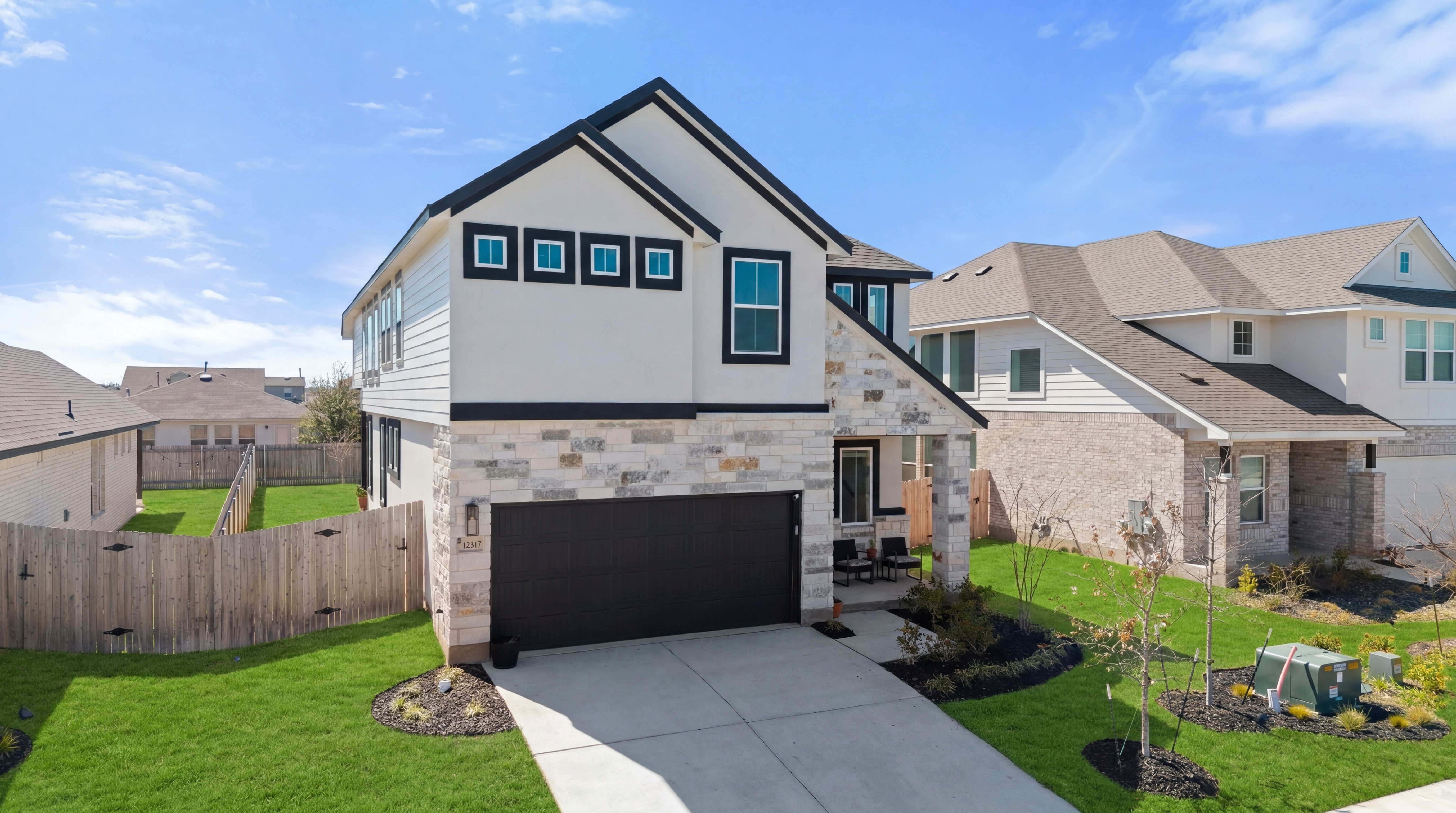
New Construction vs. Existing Homes: Which Offers Better Value?
Choosing between a new construction and an existing home is a common dilemma. Each option has its merits, and your decision should align with your priorities and financial considerations.
Benefits of New Construction
- Modern Amenities: New homes often come equipped with the latest technology and energy-efficient features, reducing long-term utility costs.
- Customization Opportunities: You can tailor the design, finishes, and layout to suit your preferences, creating a space that truly feels like home.
- Lower Maintenance Costs: With everything brand new, you will likely face fewer repairs and maintenance issues in the initial years.
Advantages of Existing Homes
- Established Neighborhoods: Existing homes are often situated in mature neighborhoods with developed infrastructure, schools, and community services.
- Character and Charm: Older homes can offer unique architectural details and a sense of history that new constructions might lack.
- Potential for Negotiation: Sellers of existing homes might be more open to negotiations, especially in a buyer’s market.
Making the Right Choice
Evaluate your budget, desired location, and long-term plans. If customization and modern amenities are your priorities, new construction might be the way to go. However, if you value community and character, an existing home could offer better value.
Strategies for Austin Sellers: Adapting to a Buyer’s Market
In a buyer’s market, sellers must adapt to remain competitive. Understanding effective pricing strategies and concessions can make a significant difference in closing a sale.
Pricing Strategies
- Competitive Pricing: Start with a realistic price that reflects current market conditions. Overpricing can lead to extended listing times and potential price reductions.
- Market Analysis: Regularly update your pricing strategy based on recent sales and market trends. An agile approach can help maintain interest in your property.
- Highlight Unique Features: Emphasize aspects of your home that stand out, whether it is a prime location, unique architecture, or recent renovations.
Effective Concessions
- Closing Cost Assistance: Offering to cover closing costs can be an attractive incentive for buyers, especially first-time homeowners.
- Home Warranties: Providing a home warranty can reassure buyers about potential future repairs, making your property more appealing.
- Flexible Terms: Be open to accommodating buyers’ needs, such as flexible move-in dates or minor repairs, to facilitate a smoother transaction.
The State of Austin’s Luxury Real Estate Market
The luxury real estate sector in Austin has its own set of dynamics, which can differ from the broader market trends. Understanding these can help you make informed decisions whether you are buying or selling high-end properties.
Current Trends in Luxury Real Estate
- Continued Demand: Despite a cooling market, there remains a steady demand for luxury properties, driven by affluent buyers seeking exclusive amenities and prime locations.
- International Interest: Austin continues to attract international buyers, adding a layer of demand that supports the luxury segment.
- Sustainability Focus: High-end buyers are increasingly interested in sustainable, eco-friendly homes, influencing the design and features of luxury properties.
Navigating the Luxury Market
For buyers, this is an excellent time to explore luxury properties, as the cooling market might offer opportunities for negotiations. Sellers should focus on showcasing unique features and leveraging high-quality marketing to attract discerning buyers.
FAQ Section
What are the best neighborhoods to buy in Austin in 2025?
Consider areas like East Austin, South Lamar, and The Domain for growth potential and vibrant community life. Each offers unique benefits and investment opportunities.
How does the Austin market compare to other Texas cities?
Austin’s market is more volatile but offers higher growth potential than cities like Dallas or Houston, thanks to its tech-driven economy and cultural appeal.
Are there specific times of the year that are better for buying in Austin?
Spring and early fall typically see more listings, providing better selection. However, winter can offer motivated sellers and potential bargains.
Conclusion
Austin’s real estate market in 2025 offers unique opportunities for buyers and challenges for sellers. By understanding market dynamics, leveraging negotiation strategies, and making informed decisions between new and existing homes, you can navigate this landscape effectively. Whether you are looking for a luxury estate or a cozy family home, the current conditions provide a promising landscape for your real estate ventures.