Updated October 2026
Yes, if the seller has a VA, FHA, or USDA loan, you can apply to take over that loan at the seller’s original interest rate instead of today’s rate. It’s called a mortgage assumption, and in 2026 it’s one of the only ways an Austin buyer can lock in a rate that’s several points below what new loans are offering. The catch: you’ll need to cover the gap between the remaining loan balance and the home’s current price, usually in cash, and the approval process takes longer than a typical purchase loan.
Mortgage rates have come down from their 2023 peak, but they’re still sitting well above where they were a few years ago. Meanwhile, plenty of Austin homeowners who bought or refinanced between 2020 and early 2022 are sitting on VA, FHA, or USDA loans in the 2% to 4% range. If you’re buying in that situation, taking over their loan instead of getting a new one can be worth tens of thousands of dollars over the life of the mortgage.
We’re fielding more questions about this than we were a year ago, and most buyers asking don’t fully understand how it works, what it costs, or where it actually applies. Here’s the real version.
How Mortgage Assumption Actually Works
Not every loan is assumable. Conventional loans backed by Fannie Mae or Freddie Mac almost always have a due-on-sale clause, which means the full balance comes due the moment the home changes hands. That rules out the majority of mortgages.
Government-backed loans are different. VA, FHA, and USDA loans are assumable by design, and that’s true whether or not the buyer is a veteran, a first-time buyer, or using the loan program for the first time. You just have to qualify.
The process looks like this:
- Confirm the loan is assumable and find out the balance and rate. Your agent can ask the listing agent, or you can check whether the listing is flagged as having an assumable loan (platforms like Roam surface these better than most MLS searches do).
- Apply with the loan servicer, not a new lender. The servicer reviews your credit, income, and debt the same way a lender would for a new loan.
- Cover the equity gap. This is almost always the hard part in Austin right now, and we’ll get into it below.
- Close through a title company, same as any other Austin purchase, with a formal transfer of the loan and (for VA loans) a release of the seller’s liability.
By law, servicers have 45 days to make a decision, but in practice, plan on 60 to 90 days from application to closing. That’s noticeably slower than a conventional purchase loan, so if you’re on a tight timeline, factor that in before you fall in love with an assumable listing.
The Equity Gap Is the Real Obstacle
Here’s the math that trips up most buyers. Say a home in the $420,000 to $480,000 range we’re seeing across Austin right now has an assumable loan balance of $310,000. That’s a $120,000 to $170,000 gap between what you’d be assuming and what you’d be paying for the house.
You have a few ways to cover that:
- Cash. The most straightforward option, and the one most sellers and servicers prefer.
- A second mortgage or HELOC on the gap amount. This works, but it’s financed at today’s rates, which eats into some of the savings you’re getting on the first loan.
- Seller financing on part of the gap, negotiated directly with the seller. This is less common and needs careful structuring, but it happens.
- A lower negotiated purchase price, if the seller is motivated and the gap is smaller than expected.
If you don’t have six figures in cash sitting around, an assumption isn’t automatically off the table, but it does mean your options narrow fast. This is exactly the kind of math we run with buyers before they get attached to a specific listing, because the “great rate” headline doesn’t mean much if the gap math doesn’t work for your budget.
Where This Shows Up in Austin Right Now
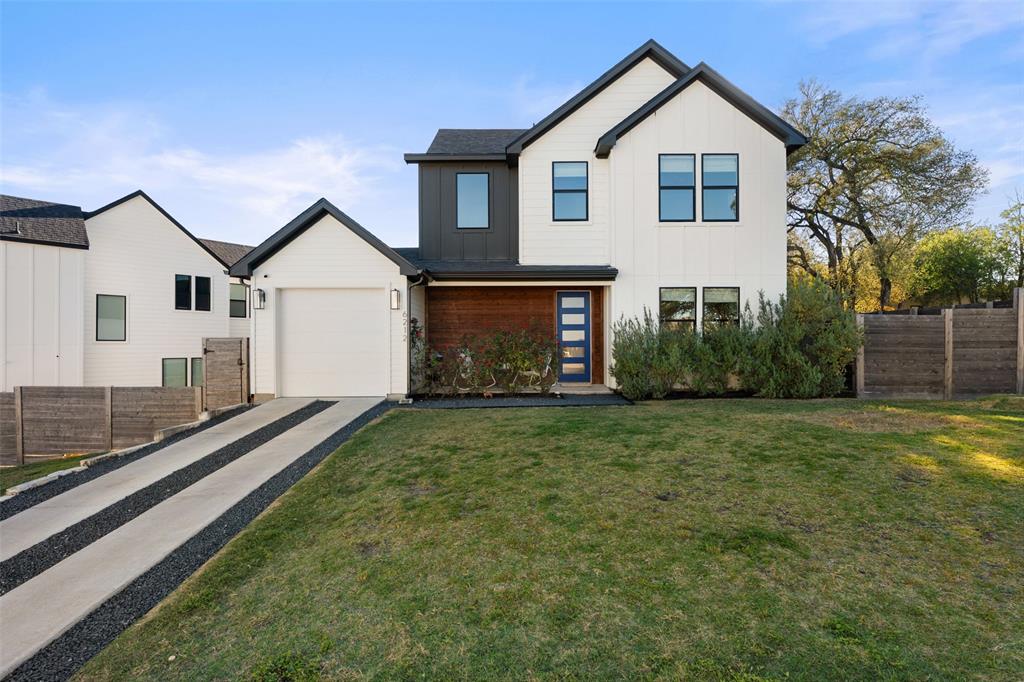
Assumable inventory in the Austin metro tends to cluster in homes built, bought, or refinanced between 2020 and 2022, when FHA and VA loans made up a meaningful share of new construction purchases. That puts a lot of it in newer construction around East Austin, Mueller, and the fast-growing suburbs across our 18-community coverage area, less so in the older, mostly conventionally-financed housing stock in neighborhoods like Hyde Park, Tarrytown, or Travis Heights.
If you’re specifically shopping for an assumable loan, that should shape where you’re looking as much as your neighborhood wish list does.
One underrated advantage: an assumption doesn’t require a new appraisal, since you’re not getting a new loan amount approved. That sidesteps the low appraisal problem that trips up a lot of financed Austin buyers right now. It also means the standard Texas buyer representation agreement terms and option period still apply exactly the way they would on any other contract. You’re not skipping your due diligence, just your appraisal contingency.
What This Means If You’re Selling
If you’re the one with the low-rate loan, an assumable mortgage can be a genuine selling point, especially if your rate is two or more points below the current market. It’s worth highlighting in your listing.
Just know what you’re signing up for. On an FHA or USDA assumption, you’re typically released from liability once the assumption closes. On a VA loan, if the buyer isn’t a veteran, your VA entitlement can stay tied up with that loan until it’s paid off, which can limit your ability to use a VA loan again until it’s resolved. That’s a conversation worth having with your lender and your agent before you list.
Is This the Right Move for You?
Assumption isn’t a shortcut around Austin’s affordability squeeze for most buyers. It solves one problem, your interest rate, while creating another, a large upfront cash requirement. Whether that trade works depends entirely on how much cash you have, how long you plan to stay in the home, and how much the specific rate gap is actually worth to your monthly payment.
That’s not a calculation you should run off a headline about 3% rates. It’s one we walk clients through listing by listing, because the right answer changes with every address and every loan balance.
Frequently Asked Questions
Which types of loans are assumable in Texas?
VA, FHA, and USDA loans are assumable in Texas and everywhere else in the country, since assumability is a federal loan feature, not a state one. Conventional loans backed by Fannie Mae or Freddie Mac are not assumable in almost all cases because of the due-on-sale clause written into the note.
How long does a mortgage assumption take to close in Austin?
Plan on 60 to 90 days from the time you apply with the servicer to closing, even though servicers technically have 45 days to approve. That’s slower than most conventional purchases, so build the extra time into your contract deadlines and any timeline you’re coordinating with a current lease or sale.
Do I still need a home inspection if I’m assuming a loan?
Yes. Assuming a loan has nothing to do with the condition of the house. You’ll still go through your standard Texas option period, order your own inspection, and negotiate repairs the same way you would with any other purchase.
Can a seller refuse to let a buyer assume their loan?
A seller can choose not to market or allow an assumption, but if the loan is assumable and the buyer qualifies with the servicer, the seller generally can’t block a qualifying assumption outright once they’ve agreed to it in the contract. It’s something to negotiate up front, not after you’re under contract.
What happens to a seller’s VA entitlement after a non-veteran assumes their VA loan?
The seller’s VA entitlement tied to that loan stays tied up until the loan is paid off or refinanced, even after the sale closes. That can limit the seller’s ability to use a VA loan on a future purchase, so it’s worth discussing with a lender before agreeing to the assumption.
If you’re trying to figure out whether an assumable mortgage actually makes sense for your budget, your timeline, or a specific Austin listing, we’d love to help you run the numbers. Reach out anytime at munozaustin.com/connect.