Austin Foundation Issues and Clay Soil: What Every Buyer Must Know Before Making an Offer
Do Austin homes have foundation problems because of clay soil?
Yes, and the risk is higher than most buyers realize. Austin’s eastern half sits on Blackland Prairie clay, a high-plasticity soil that expands when wet and shrinks dramatically during Austin’s hot, dry summers. This seasonal shrink-swell cycle is the primary driver of foundation movement in Central Texas, and about one-third of homes here show noticeable foundation movement within the first 20 years. Buyers should schedule a general home inspection plus a dedicated foundation inspection during their option period, and factor foundation condition into their offer strategy before going under contract.
If you’re buying in Austin and this is your first rodeo with Texas real estate, here’s something that doesn’t come up in most listing brochures: the ground your future home sits on is actively trying to move it.
That sounds dramatic. It’s not.
Austin foundation problems start with the soil. This metro has one of the most challenging soil profiles for residential construction in the country. And if you’re looking at homes in East Austin, Windsor Park, Mueller, Travis Heights, or anywhere east of MoPac, you’re buying in the heart of it.
Why Austin Soil Is Different From Where You Came From
The Austin metro sits on two distinct geological zones, and they behave very differently when it comes to foundations.
The eastern half of the city, from downtown through East Austin, Windsor Park, Mueller, Pflugerville, and Manor, sits on the Blackland Prairie. This is a deep layer of dark, expansive clay with a plasticity index that often exceeds 40. What that number means in practice: the soil can change volume by as much as 15 percent between its completely dry state and its fully saturated state.
The western half, including Tarrytown, Allandale, West Lake Hills, and the Hill Country areas, sits on the Edwards Plateau. Here you have thin clay and caliche over shallow limestone bedrock. Different profile, different risks, but foundations still move.
The eastern clay is the one most buyers don’t expect.
During Austin’s brutally hot summers, when temps stay above 100 degrees for weeks and rain disappears entirely, the clay shrinks and pulls away from foundations. That creates voids under the slab. When the heavy spring rains arrive (and they do arrive, fast), the clay absorbs water and swells back upward with tremendous force. This cycle repeats year after year.
Add in the large cedar and live oak trees that are everywhere in Austin neighborhoods, with root systems that actively pull moisture from the soil, and you have a significant compounding factor in foundation distress.
This isn’t rare. Studies of Central Texas housing stock suggest that about one-third of homes in the region show noticeable foundation movement within the first two decades.
One-third.
That scale of prevalence is what makes Austin foundation problems a required part of any buyer’s due diligence here. It doesn’t mean one-third of Austin homes are falling down. Foundation movement exists on a spectrum, from minor seasonal cracking that’s cosmetically annoying to active structural failure that requires tens of thousands of dollars in repairs. What it does mean is that foundation condition is a real issue you need to evaluate before you’re under contract, not after.
What Foundation Problems Actually Look Like
Most buyers see a beautiful home online and walk through it once before making an offer. Foundation issues don’t announce themselves with a sign on the front door.
Here’s what to actually look for during your showing:
- Sticking doors and windows. Doors that drag along the floor, windows that don’t open or close cleanly, frames that are visibly out of square.
- Diagonal cracks at window and door corners. These are different from hairline settling cracks. Diagonal cracks running from the corners of openings at 45-degree angles indicate differential movement.
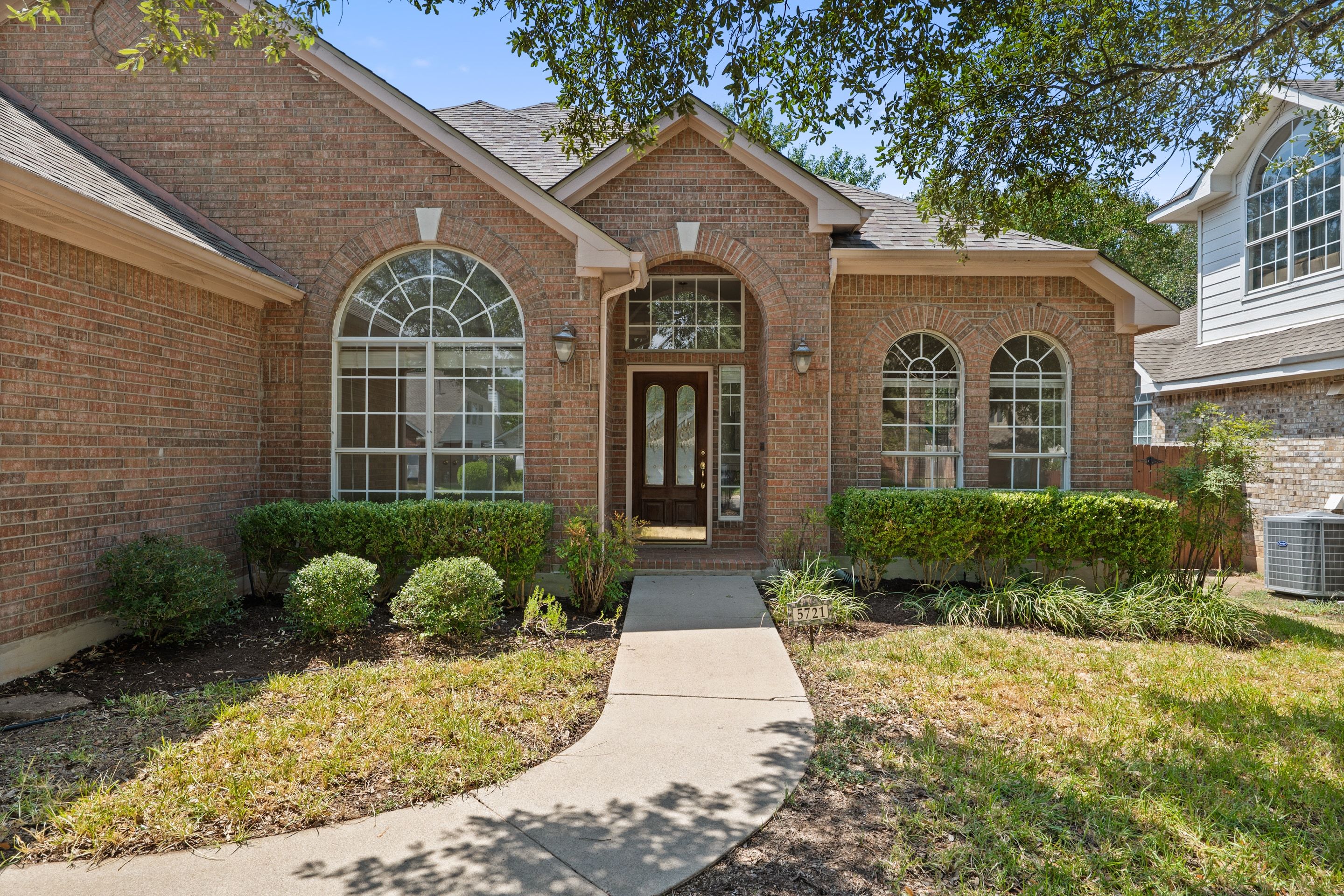
- Stair-step cracks in brick. Exterior brick that’s cracking in a stair-step pattern along mortar lines is a classic sign of differential foundation settlement.
- Uneven floors. Bring a marble or use your feet. Floors that slope visibly, or that feel bouncy in certain spots, are worth flagging.
- Gaps between walls and ceiling or floor. Separation at the joints where walls meet ceiling or baseboard is a sign the structure is moving.
- Water pooling near the home’s foundation. Poor drainage around the perimeter is a contributing factor to foundation instability and worth noting during wet-season showings.
None of these items are automatic deal-killers. But they’re all reasons to order a dedicated foundation inspection before your option period runs out.
What to Do About It: The Option Period Is Your Window
Texas gives buyers one of the most powerful due diligence tools in American real estate: the option period.
In Austin’s current market, 7 to 10 days is standard. During that window, you have the right to terminate the contract for any reason and get your earnest money back (you’ll forfeit the option fee, which is typically $100 to $500, but that’s it).
That option period is when you run your foundation evaluation.
A general home inspection costs $300 to $600 in Austin and will flag visible foundation concerns, but a general inspector isn’t a structural engineer. If your inspector flags movement or cracking, or if you saw warning signs during the showing, you want to add a dedicated foundation inspection. Those run $150 to $400 on top of the general inspection.
A foundation inspector or structural engineer will assess the actual degree of movement, identify likely causes (poor drainage, tree root intrusion, original soil preparation), and give you an estimate for remediation if needed.
That estimate becomes your negotiating tool.
In Austin’s 2026 buyer’s market, with 89 average days on market and more than 12,000 active listings to choose from, sellers understand they can’t stonewall foundation repair requests. We regularly see buyers receive repair credits of $5,000 to $25,000 for documented foundation issues, or negotiate a price reduction in lieu of repairs.
But you need the documentation. That means the inspection, ideally from a licensed structural engineer, before your option period expires.
One more thing: check the Seller’s Disclosure Notice. Texas law requires sellers to disclose known foundation repairs, and the TREC Seller’s Disclosure Notice asks directly about it. If the seller disclosed prior foundation work, find out when it was done, by whom, and whether the warranty is transferable.
Who Needs to Worry Most
Austin foundation problems aren’t equally distributed across the metro. Risk depends heavily on the home’s location, geology, age, and site conditions.
Higher risk: Homes east of MoPac, especially those built before 1990. Pre-code construction in East Austin, Windsor Park, Travis Heights, and the Govalle area. Homes with large mature oaks or cedars within 20 feet of the foundation. Homes without gutters or with poor grading that lets water collect against the slab.
Lower risk: Newer construction with engineered slab systems designed for expansive soils. Homes in the western Edwards Plateau geology. Properties with established drainage, gutters, and good perimeter grade.
If you’re buying in an established in-town neighborhood and the home is over 30 years old, a foundation inspection isn’t optional. It’s essential.
If you’re buying new construction east of MoPac, ask the builder what type of foundation system they used and whether it’s engineered for expansive clay. The right answer involves post-tension cables or deep piers, not just a standard slab pour.
And if you want a deeper look at the other hidden costs in Austin new construction, our post on MUD districts and property taxes covers what most buyers don’t find out until after closing.
Foundation condition also affects your financing and insurance. Some lenders require documentation before they’ll approve financing on a home with active foundation movement. And homeowner’s insurance in Austin, which tends to run $2,400 to $5,000 a year already, doesn’t cover foundation repair caused by soil movement. That’s an out-of-pocket expense.
Frequently Asked Questions
How common are foundation problems in Austin, Texas?
Austin foundation problems are more common than most buyers realize. About one-third of Central Texas homes show noticeable foundation movement within the first 20 years, driven primarily by the expansive Blackland Prairie clay that underlies most of East Austin, Mueller, Windsor Park, Pflugerville, and Manor. The western portion of Austin, including neighborhoods in the Edwards Plateau geology (Tarrytown, Allandale, West Lake Hills), faces different but not necessarily smaller risks.
Do I need a separate foundation inspection when buying a home in Austin?
A general home inspection will flag visible signs of foundation movement, but it won’t give you a full structural assessment. If your inspector notes any cracking, unevenness, or drainage concerns, or if you see sticking doors, diagonal cracks at window corners, or stair-step brick cracking, schedule a dedicated foundation inspection or a structural engineer evaluation before your option period ends. They typically cost $150 to $400.
Can I negotiate repairs if the foundation inspection finds problems?
Yes. In Austin’s current buyer’s market, sellers regularly provide repair credits or price reductions when foundation issues are documented. You’ll want a repair estimate from a licensed foundation contractor or structural engineer, which becomes your negotiating evidence. We’ve seen buyers receive credits of $5,000 to $25,000 on homes with documented foundation movement.
Will foundation issues affect my mortgage approval?
Potentially, yes. Some lenders require a structural engineer’s report before approving a loan on a home with active foundation movement. If the engineer’s report indicates the home is not structurally sound or has significant unrepaired damage, your lender may require the issues to be resolved before closing.
Does homeowner’s insurance cover foundation repair in Texas?
Standard homeowner’s insurance policies in Texas do not cover foundation damage caused by soil movement or shrink-swell clay activity. Coverage is typically limited to sudden, accidental events like a plumbing leak that damages the foundation. Maintenance-related foundation movement from expansive soils is excluded. This makes getting the condition evaluated before closing especially important.
Austin foundation problems are one of the things experienced local buyers have learned to investigate early, and one of the most common surprises for out-of-state buyers who discover the issue only after closing. If you’re in the research phase or already shopping, we can connect you with the inspectors we trust and walk you through what to look for before you write an offer.
Reach out anytime at munozaustin.com/connect.