Living in University Hills, Austin, TX: A Neighborhood Guide
University Hills is a 1960s and 1970s subdivision in northeast Austin where every
street is named for a college, the lots are large, the terrain actually has hills,
and the houses were built before anyone thought to make them look alike. It sits
about seven miles from downtown. It is one of the last places inside the city where
a mid-century ranch on a quarter acre is still a normal thing to buy rather than a
trophy.
This guide covers what the neighborhood is, how it got here, what you are taking
on when you buy a house of this age, and who it does not suit.
Where is University Hills?
University Hills sits in northeast Austin, bounded by Highway 290 East on the
north, Ed Bluestein Boulevard (US 183) on the east, Little Walnut Creek on the
south, and Northeast Drive on the west. Those are the boundaries the University
Hills Neighborhood Association uses, which matters because listing sites routinely
stretch the name across a much wider slice of 78723.
The zip code it shares, 78723, also contains Mueller, which is a completely
different neighborhood with completely different houses. If you are comparing the
two, read our Mueller neighborhood guide alongside this one. Sharing a zip code is the only thing they
have in common.
Why is every street named after a university?
Because the developers named them that way, and the theme held for every phase of
construction. Drive the neighborhood and you will cross Loyola, Tulane, Vassar, Wake
Forest, La Salle, Bucknell, Langston, Hanover, Geneva, Dubuque, and Susquehanna. The
naming is the single most recognizable thing about the place and the reason people
who grew up in Austin can identify it from a street sign alone.
The land was farmland before it was a subdivision. Development began in 1960 as a
joint venture between Carrington Built Homes and Lumbermen’s Investment Corporation.
Walter Carrington built custom houses on the larger lots, which is why the housing
stock varies more than a typical subdivision of the era. In the late 1960s, Bill
Milburn added roughly 150 homes along the northeastern edge under the name Vintage
Hills.
What is the story behind Dottie Jordan Park?
Dottie Jordan was an Austin ISD orchestra teacher who lived across the street from
the land that is now the park, and in 1972 she went to City Council to fight a plan
to build condominiums on it. She died in March 1973 from complications of diabetes.
She was 32. That November the City of Austin bought the 11.5 acres from developer
Walter Carrington for $135,000 and named the park for her.
The park has a playscape, two lighted tennis courts, a lighted basketball court,
walking and running trails, a pool, and the Dottie Jordan Recreation Center on Loyola
Lane, which runs programming for youth, teens, and seniors, including adaptive and
therapeutic recreation. The University Hills branch of the Austin Public Library is
also on Loyola Lane. The neighborhood association, founded in 1972, still lists
preservation of the park as part of its purpose.
It is a small piece of history and it tells you something real about the place:
the park exists because a neighbor showed up to a council meeting.
What are the houses actually like?
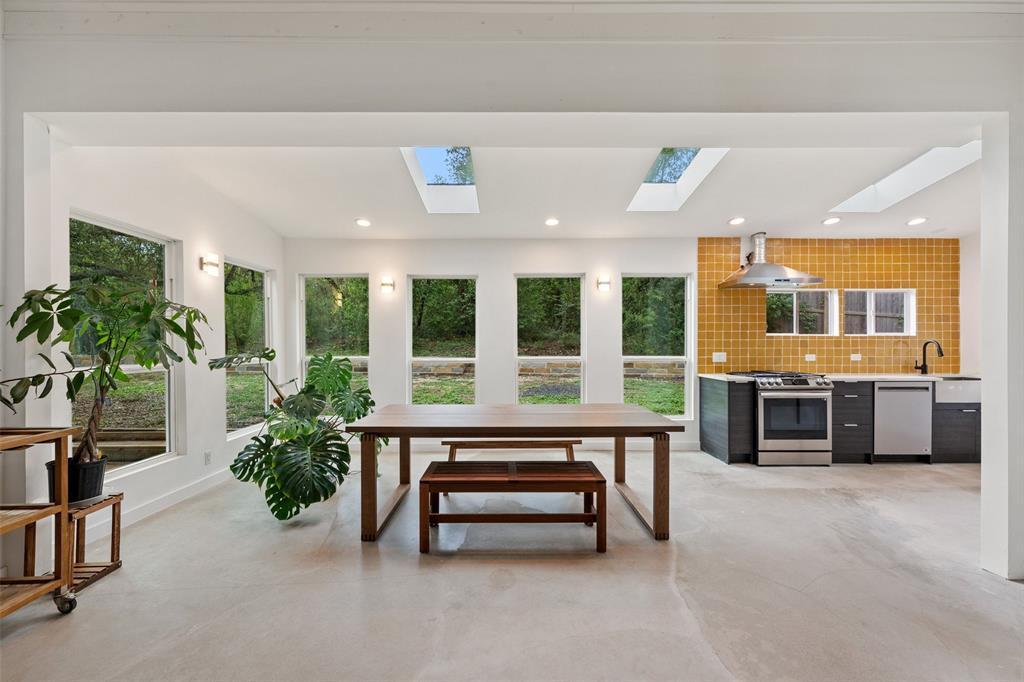
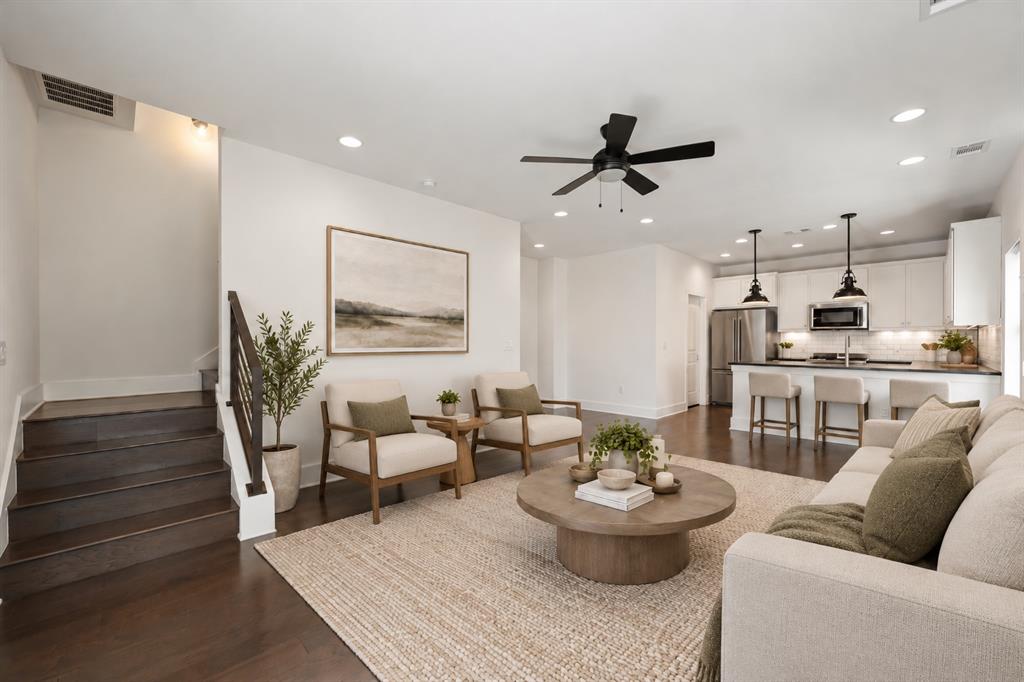
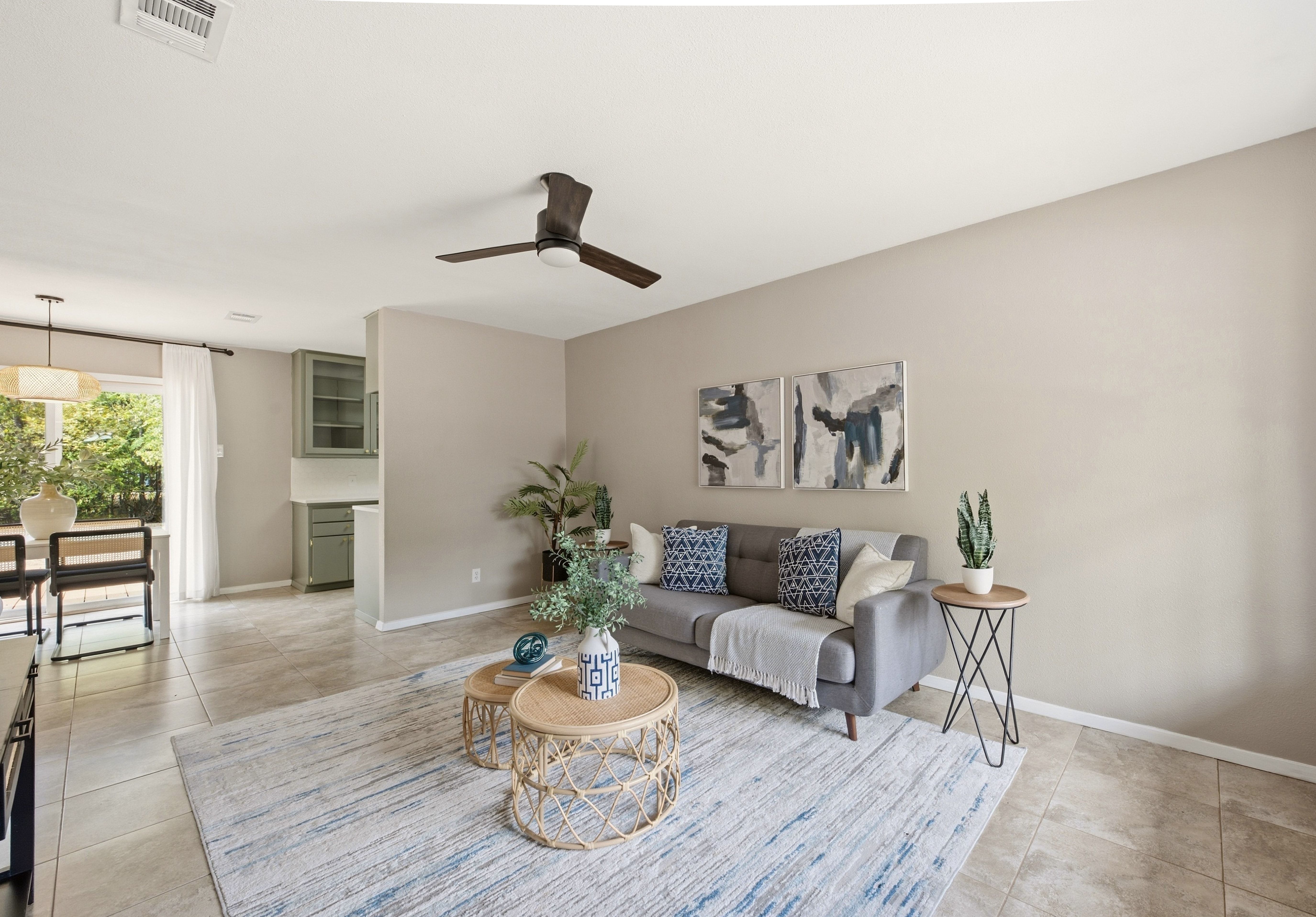
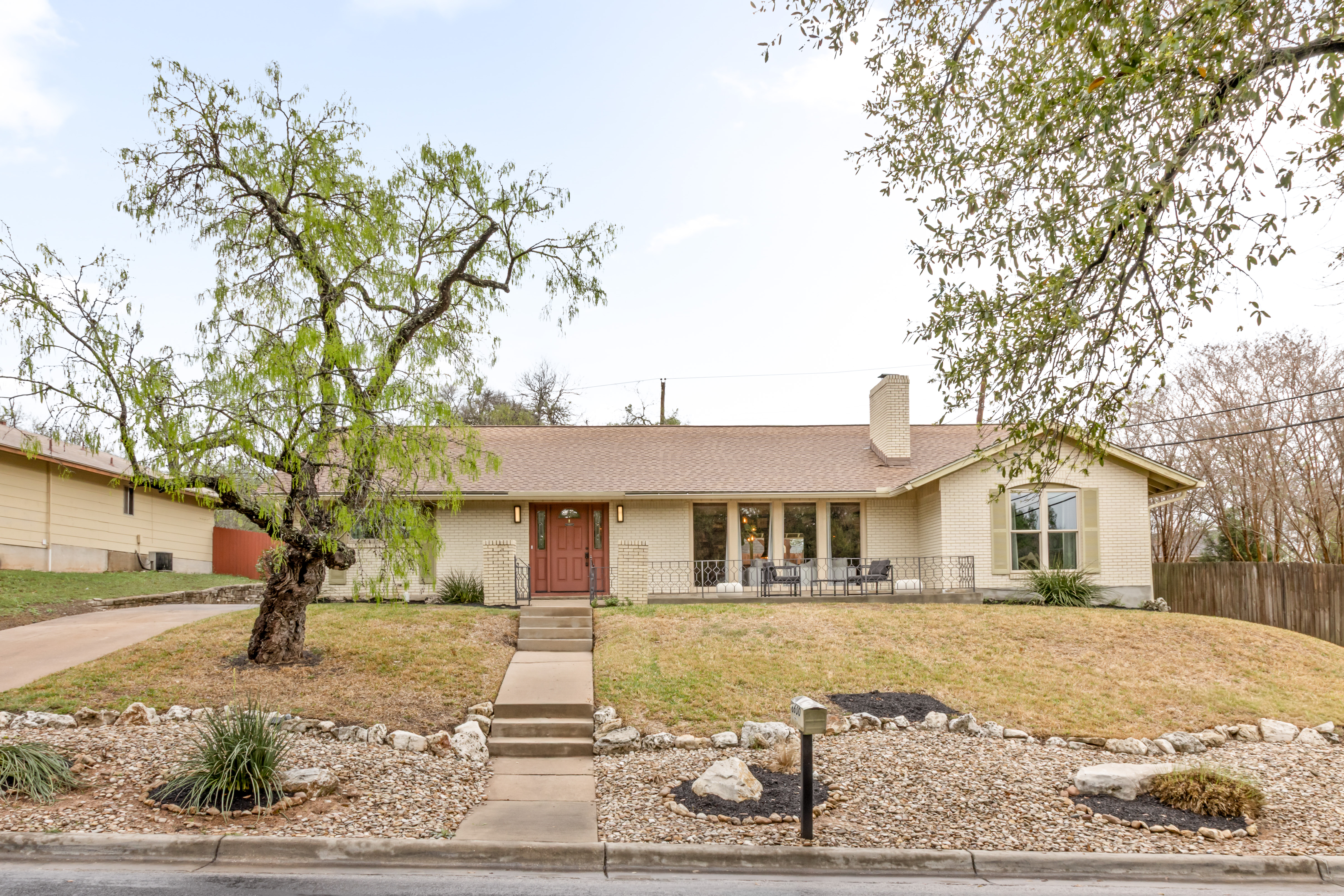
Mostly single-story ranch houses from the 1960s and early 1970s, on lots that are
generous by current Austin standards, on streets that roll with the natural
topography instead of flattening it. Tree cover is mature because the trees have had
sixty years. Little Walnut Creek runs the southern edge and gives the neighborhood
real green space rather than a landscaped strip.
Because Carrington built custom on the bigger lots, you get variation. Two houses
on the same block can be materially different in layout, size, and quality of
construction. That is a genuine advantage over a subdivision where every fourth
house repeats, and it is also why you cannot price this neighborhood off a
neighbor’s sale without looking carefully at both houses.
Most of University Hills has no HOA. Nobody governs your paint color, and nobody
maintains a common area either.
What are the trade-offs of living in University Hills?
Four things, and they are the reason the price is what it is.
The houses are sixty years old and the systems are the risk. A
1965 house that has never been updated has 1965 sewer lines, a 1965 electrical panel,
and ductwork that predates anyone caring about efficiency. Cast iron and clay sewer
lateral failures are common in Austin houses of this era and are not cheap. Homes
built in the late 1960s and early 1970s can also have aluminum branch wiring, which
is a specific inspection item and a specific insurance conversation, not a
dealbreaker but not something to discover after closing. Budget for the systems, not
just the cosmetics.
You are on the clay. Eastern Austin sits on Blackland Prairie
clay, which expands when it is wet and shrinks hard in a Texas summer. Foundation
movement is more common here than on the limestone west of town. This is manageable
and extremely normal, but it needs to be priced and inspected properly rather than
waved off. We wrote a full explanation in Austin foundation issues and clay soil, and it is worth reading before you make an
offer here.
The edges are loud. The neighborhood is bounded by a US highway
on the east and a state highway on the north. Interior streets are quiet. Streets
near those boundaries are not, and the difference between a house four blocks in and
a house backing the frontage road is real and shows up in the price.
You will drive. Seven miles from downtown, and it is not a
walkable neighborhood in the way Mueller or Hyde Park are. There is a library, a park,
and a rec center you can walk to. Groceries, restaurants, and coffee are a car trip.
If daily walkability is the thing you are optimizing for, this is the wrong
neighborhood and we will tell you that.
Who is University Hills right for?
Buyers who want land, trees, and a house with some individuality to it, and who
would rather spend their money on lot size and a renovation than on a new build and a
POA. People who are comfortable owning an older house and doing work over time
instead of buying finished. Buyers who work on the east or northeast side of town, or
who value being able to get out of the city quickly on 183 or 290.
Who should look somewhere else?
Anyone who wants to walk to dinner. Anyone who wants a house where nothing needs
attention for ten years. Anyone whose budget has no room in it for deferred
maintenance, because an older house with a tight budget and no reserve is how people
end up unhappy. And anyone who wants a uniform, managed, design-reviewed environment,
which is exactly what Mueller offers two miles away.
What schools serve University Hills?
University Hills is served by Austin ISD. AISD has been adjusting attendance
boundaries in recent years, and school assignment can differ street to street even
within one neighborhood, so confirm the current assignment for a specific address
with the AISD School Finder rather than relying on any listing site. There are also charter and
private options nearby.
Thinking about buying or selling in University Hills?
We have sold in this neighborhood and we know which streets are quiet, which
blocks have the bigger lots, and what the older houses tend to need. A zip-code-wide
market report will not tell you what a house on Bucknell is worth, because 78723 also
contains Mueller and the two neighborhoods pull the averages in opposite directions.
If you want a straight read on a specific address, ask us for it.
Get in touch or call us at 512.856.4549.
New to the process? Start with The Buyer Experience or
The Seller Experience. More neighborhoods are covered in our
neighborhood guides.
University Hills FAQ
Where exactly is University Hills in Austin?
Northeast Austin, bounded by Highway 290 East on the north, Ed Bluestein Boulevard
(US 183) on the east, Little Walnut Creek on the south, and Northeast Drive on the
west, about seven miles from downtown.
Is University Hills the same as Mueller?
No. They share the 78723 zip code and nothing else. Mueller is a master-planned
redevelopment of the former airport with new construction and a property owners
association. University Hills is a 1960s and 1970s subdivision of mostly single-story
ranch houses, and most of it has no HOA.
Why are University Hills streets named after colleges?
The developers used a college and university naming theme from the start and kept
it through every phase. Loyola, Tulane, Vassar, Wake Forest, La Salle, Bucknell,
Langston, Hanover, Geneva, Dubuque, and Susquehanna are all streets in the
neighborhood.
When was University Hills built?
Development began in 1960 as a joint venture between Carrington Built Homes and
Lumbermen’s Investment Corporation on former farmland. Walter Carrington built custom
houses on the larger lots. Bill Milburn added about 150 homes on the northeastern
edge as Vintage Hills in the late 1960s.
Does University Hills have an HOA?
Most of it does not. There is an active neighborhood association, the University
Hills Neighborhood Association, founded in 1972, but it is a voluntary civic
organization rather than a governing HOA with dues and architectural control.
What should I inspect in a University Hills house?
The systems and the foundation. Houses of this era commonly have original cast
iron or clay sewer laterals, dated electrical panels, and in homes from the late
1960s and early 1970s, possible aluminum branch wiring. The neighborhood also sits on
Blackland Prairie clay, so foundation movement deserves a careful look.
Is University Hills walkable?
Only partly. Dottie Jordan Park, the recreation center, and the University Hills
library branch are walkable from much of the neighborhood. Groceries, restaurants,
and coffee are a drive. If daily walkability is your priority, Mueller or Hyde Park
will suit you better.