Which suburbs near Austin, TX are most affordable for home buyers in 2026?
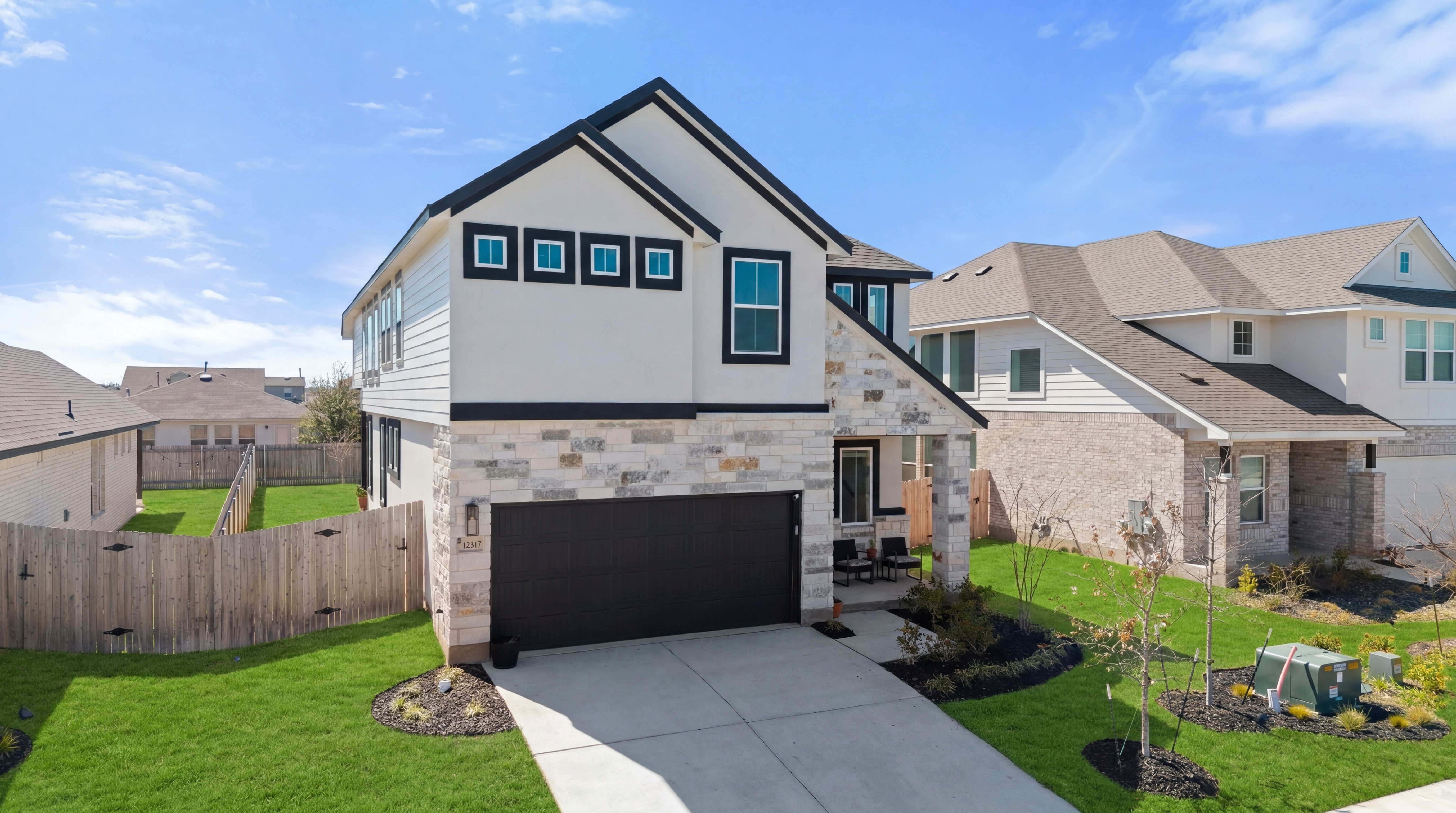
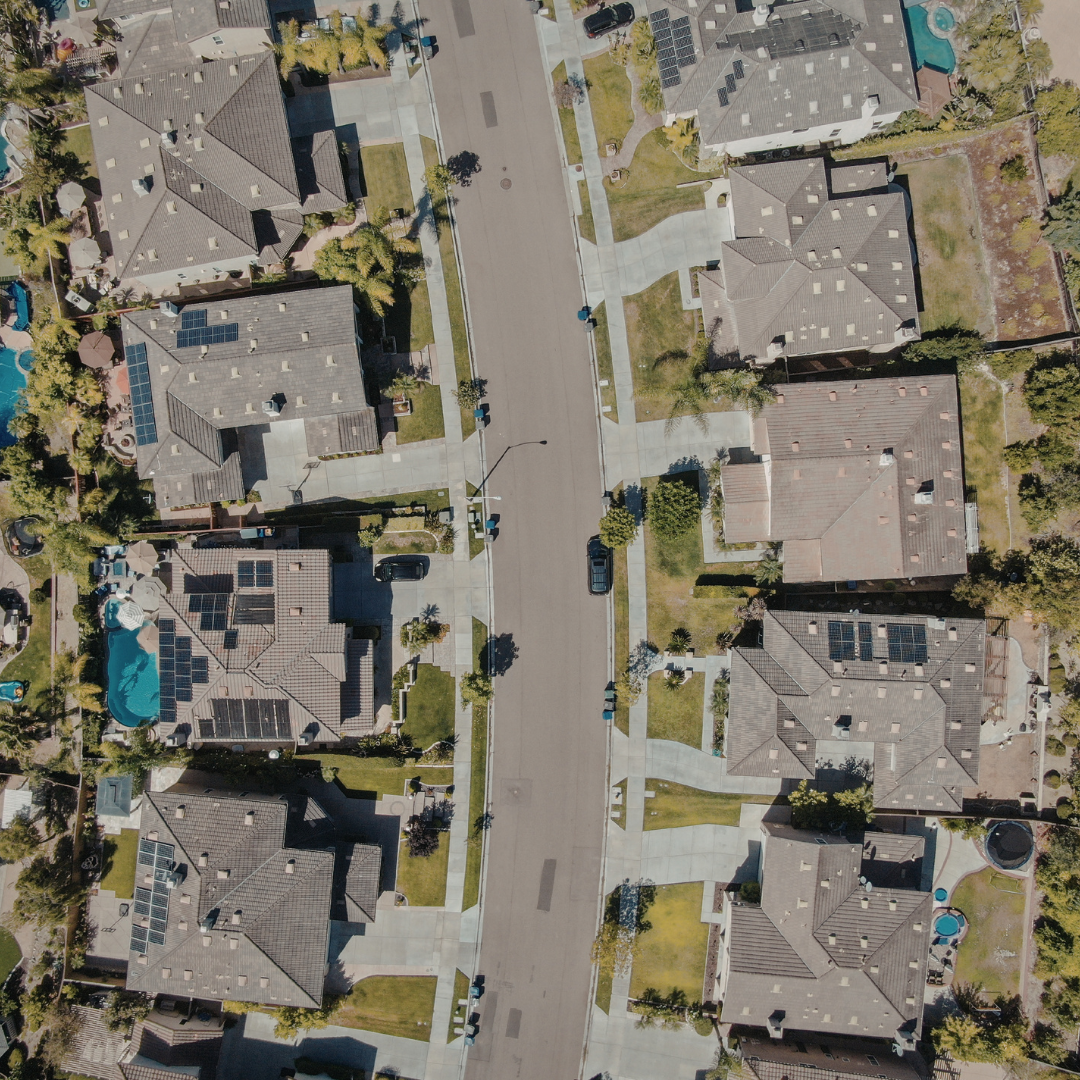
Several fast-growing suburbs—including Round Rock, Pflugerville, Kyle, Buda, Leander, and Georgetown—offer more affordable home prices than central Austin while still providing access to major employers, schools, and amenities.
Why more buyers are looking outside Austin city limits
Buying a home in Austin, TX has become more challenging over the past decade as prices rose rapidly during the pandemic housing boom. While prices cooled slightly afterward, many buyers still find that homes in the city core stretch their budgets.
That’s why more home buyers are expanding their search to the Austin metro suburbs.
These surrounding communities often offer:
- Lower median home prices
- New construction neighborhoods
- More square footage for the price
- Growing amenities and infrastructure
- Relatively easy commuting access to Austin job centers
According to housing market trackers like Redfin’s Austin housing market data and Realtor.com housing research, suburban growth has been one of the biggest trends in Central Texas housing over the past several years.
Here are some of the most affordable suburbs near Austin that buyers are exploring in 2026.
Round Rock: a long-time favorite for affordability
Round Rock, located just north of Austin, has been one of the region’s most popular suburbs for years.
Many buyers choose Round Rock because it offers:
- Strong schools
- Major employers nearby (including tech and healthcare)
- Convenient access to I-35
- Established neighborhoods plus newer communities
Compared with central Austin neighborhoods, buyers can often find larger homes at more approachable price points, making Round Rock especially attractive to first-time buyers and growing families.
Pflugerville: growing fast and still relatively affordable
Pflugerville sits just northeast of Austin and has experienced significant growth in recent years.
Why buyers like Pflugerville:
- Lower price points than many Austin neighborhoods
- Proximity to major tech employers
- New master-planned communities
- Parks, lakes, and outdoor recreation
For buyers trying to balance affordability with commute convenience, Pflugerville often becomes a top contender.
Leander: more space and newer homes
Leander has become one of the fastest-growing suburbs in the Austin metro area.
Buyers are drawn to Leander for several reasons:
- Newer construction homes
- Family-oriented neighborhoods
- Access to the MetroRail commuter line
- Expanding retail and dining options
While prices have increased over the years, Leander still offers more affordability than many central Austin neighborhoods.
Kyle: one of the most budget-friendly options
If affordability is your top priority, Kyle—located south of Austin—often attracts significant interest.
Many buyers look at Kyle because it offers:
- Some of the lowest entry prices in the Austin metro
- New home communities with builder incentives
- Easy access to I-35
- Rapid population growth and new development
First-time buyers and investors frequently explore Kyle when searching for homes that are more budget-friendly than Austin itself.
Buda: small-town feel near the city
Buda, just north of Kyle, offers a slightly different vibe while still being close to Austin.
Buyers often appreciate Buda for its:
- Historic downtown area
- Community events and parks
- Close proximity to Austin employers
- Quieter suburban environment
Buda can sometimes offer a balance between affordability and lifestyle appeal for buyers who want suburban living with easy city access.
Georgetown: affordability with charm
Georgetown, located north of Austin, has gained popularity among both retirees and younger buyers.
Reasons buyers consider Georgetown include:
- Charming historic downtown square
- Large master-planned communities
- Lower prices compared with many Austin neighborhoods
- Strong community identity
Because of its character and growth potential, Georgetown continues to attract attention from buyers across the Austin metro area.
Why suburbs are becoming the new buyer hotspot
Several long-term trends are pushing buyers toward suburbs across the Austin metro:
- Remote and hybrid work flexibility
- Population growth across Central Texas
- Demand for larger homes and yards
- Infrastructure improvements around Austin
These factors have made suburban communities more appealing for buyers who want space, affordability, and lifestyle amenities.
Tips for buying in Austin suburbs
If you’re exploring affordable suburbs near Austin, keep these strategies in mind:
- Check commute times. Traffic patterns can vary significantly depending on where you work.
- Research new construction communities. Builders sometimes offer incentives like rate buydowns or closing cost assistance.
- Compare property taxes. Taxes can vary widely across Central Texas communities.
- Look at long-term growth plans. Future schools, highways, and commercial development can affect home values.
Taking time to understand each suburb’s unique character can help you find the right fit for your lifestyle and budget.
FAQ: Affordable Austin suburbs
What is the cheapest suburb near Austin to buy a house?
Kyle is often considered one of the most budget-friendly suburbs in the Austin metro area, though affordability can vary depending on the neighborhood and type of home.
Are Austin suburbs still growing?
Yes. Many suburbs surrounding Austin continue to experience strong population growth as buyers seek more affordable housing options outside the city center.
Is it better to buy in Austin or the suburbs?
It depends on your priorities. Austin offers urban amenities and shorter commutes for some employers, while suburbs often provide more space and affordability.
The bottom line
If you’re searching for affordable suburbs near Austin, TX, communities like Round Rock, Pflugerville, Leander, Kyle, Buda, and Georgetown offer promising options for buyers in 2026.
Each suburb has its own advantages—from strong schools to new construction communities—and expanding your search beyond Austin city limits can open the door to more opportunities.
If you’re planning to buy in the Austin metro, exploring multiple suburbs can help you balance price, lifestyle, and long-term investment potential.